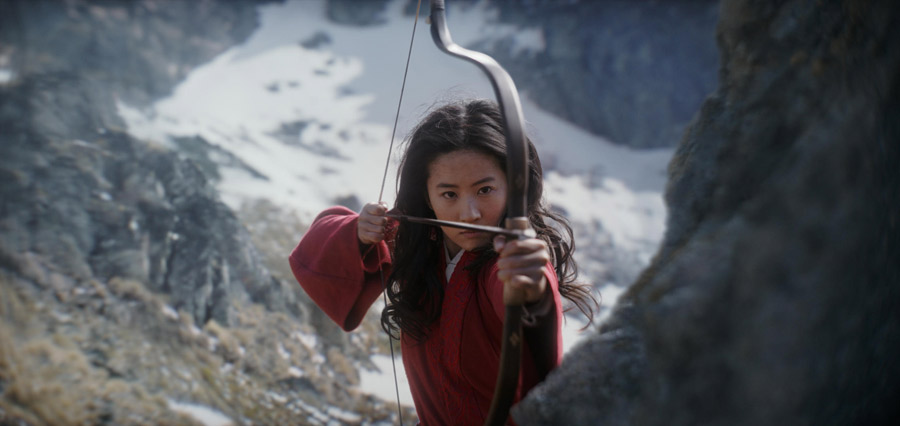
Hua Mulan
Introduction
Hua Mulan is a legendary figure in Chinese folklore, celebrated for her bravery and loyalty. Her story originates from a Northern Dynasty (386-581) folk song known as the Ballad of Mulan, which narrates the tale of a young woman who disguises herself as a man to serve in the army in place of her ailing father. Mulan's story has transcended generations and has been adapted into various forms of media, including literature, television, films, and stage performances.
Historical Background
The story of Hua Mulan is set during the Northern Wei Dynasty (386-534) in China. It was during this time that the legend of Mulan as a devoted daughter and a courageous warrior began to take shape. The "Ballad of Mulan" is one of the earliest texts that recounts her story, depicting her as a woman of exceptional strength and virtue who chooses to fight for her country in her father's stead. Mulan's tale is emblematic of filial piety, loyalty, and patriotism, qualities highly esteemed in Chinese culture.
Cultural Impact and Adaptations
Hua Mulan's story has become a cultural icon in China and beyond, symbolizing heroism and the empowerment of women. The tale has appeared in numerous adaptations, including Disney's 1998 animated film Mulan, which introduced the story to Western audiences, further popularizing Mulan's legacy worldwide. Disney's adaptation was followed by a live-action remake in 2020, renewing global interest in Mulan's character.
In addition to cinematic interpretations, Mulan's story has been adapted into various artistic forms such as opera, ballet, and theater. For example, the Liaoning Ballet of China produced an original ballet titled "Hua Mulan," which integrates elements of classical ballet, modern dance, and traditional Chinese martial arts. This production has been performed internationally, showcasing the universal appeal of Mulan's narrative.
Ballet Adaptation: Hua Mulan
The ballet adaptation of Hua Mulan by the Liaoning Ballet of China is a testament to the story's adaptability across different artistic media. This ballet incorporates both classic and modern art elements to appeal to contemporary audiences. The production features music that blends Western orchestral sounds with traditional Chinese instruments like the flute and pipa. Choreography combines classical ballet techniques with Chinese folk dances and martial arts, reflecting Mulan's transformation from a village girl to a formidable warrior.
The ballet highlights not only Mulan's physical prowess but also her inner strength and emotional depth, as demonstrated by the dancers' ability to convey complex emotions through movement. This adaptation underscores Mulan's timeless appeal as a symbol of courage and resilience.
Dance Drama and Other Stage Performances
Beyond ballet, Mulan's story has been the subject of various stage performances, including dance dramas that emphasize themes of self-identity and empowerment. Productions have been staged by groups such as the China National Opera and Dance Drama Theater, illustrating the narrative through compelling dance sequences and music. These performances often blend traditional Chinese dance styles with contemporary choreography, making the story accessible to diverse audiences.
In addition to dance, Mulan's tale has been adapted into traditional Chinese opera and theater. The Longjiang Opera Experimental Theater, for example, has staged "The Story of Hua Mulan," employing the distinctive singing and performance styles of traditional Chinese opera to retell the legendary tale.
Literary and Artistic Influence
Mulan's influence extends to literature and art, where her story has inspired countless works. In modern literature, the legend of Mulan is often revisited and reinterpreted, highlighting themes of gender roles and identity. Illustrators and authors have created books that combine traditional Chinese art forms, such as paper-cutting, with contemporary storytelling techniques to bring Mulan's story to new audiences.
Artists like Yu Rong have used Mulan's narrative to explore complex themes through visual arts, blending traditional Chinese elements with international styles to create works that resonate with global audiences.








